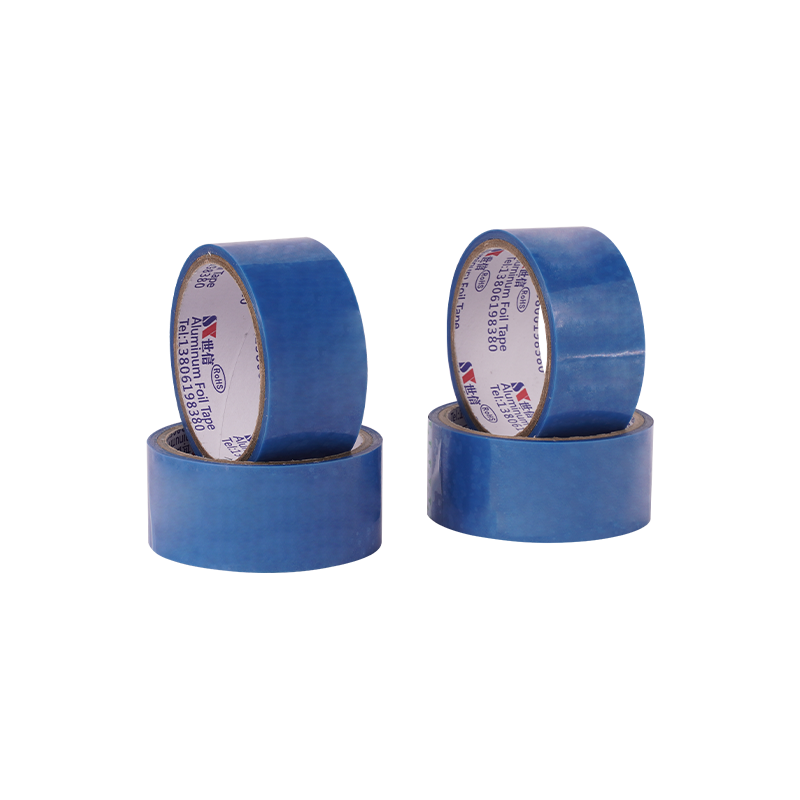
Modern elektrik ve elektronik sistemler, kabloların yüksek sıcaklıklara, elektrik yüklerine, mekanik titreşime ve potansiyel yangın tehlikelerine maruz kaldığı giderek daha zorlu ortamlarda çalışır. Endüstriyel ekipmanlar, otomotiv kablolama sistemleri, akü paketleri ve güç dağıtım tertibatları gibi uygulamalarda kablo koruması, hem güvenliği hem de uzun vadeli güvenilirliği sağlamada kritik bir faktör haline geldi.
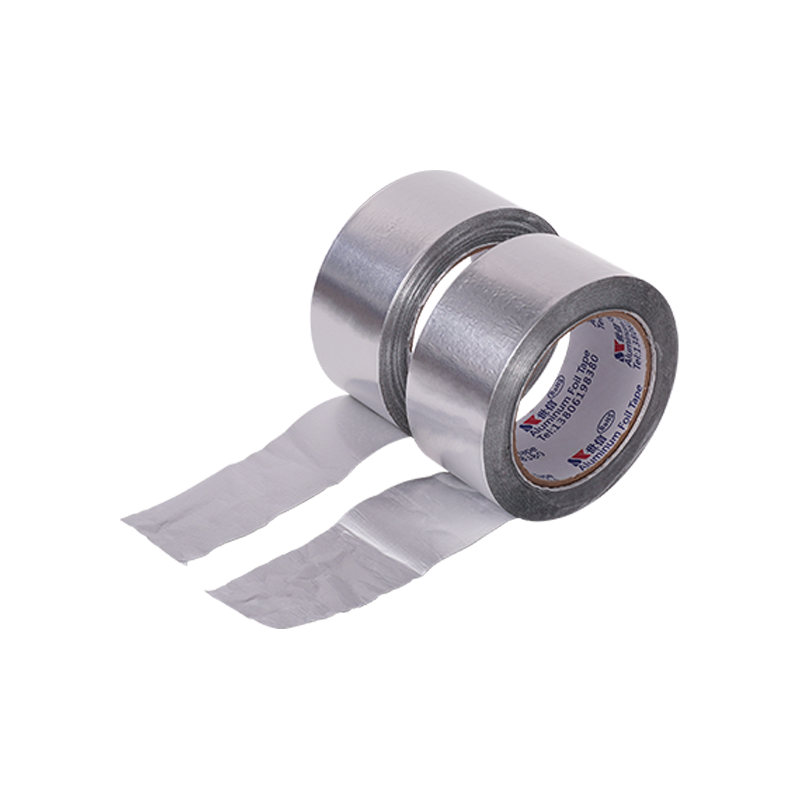
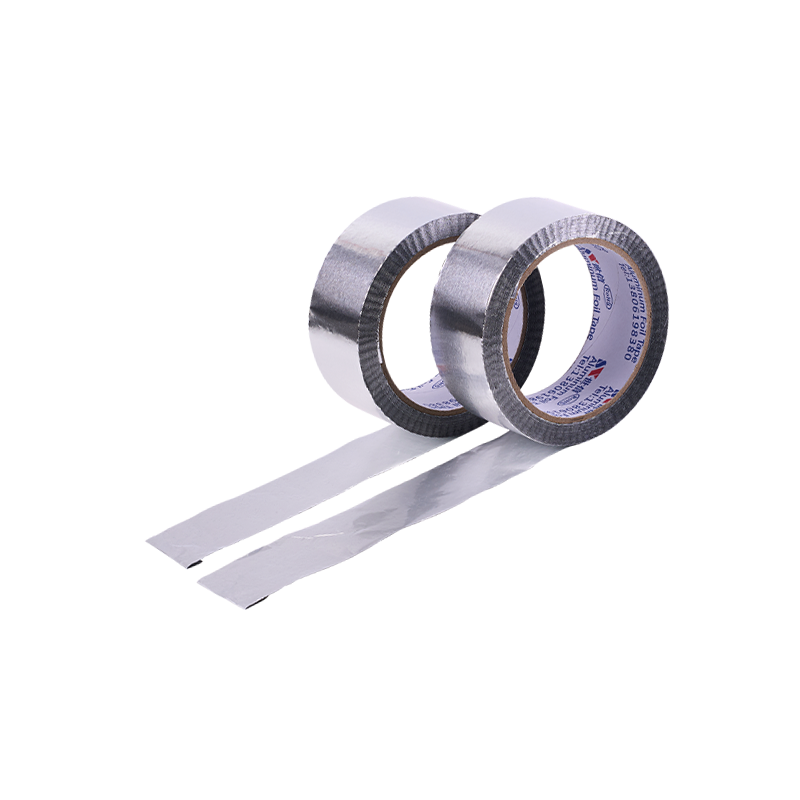
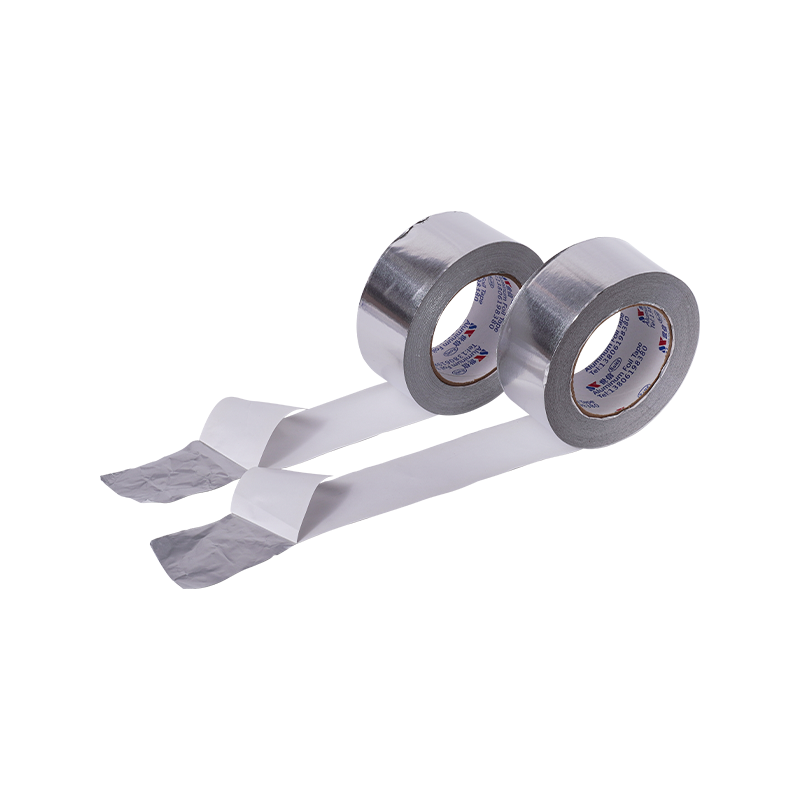
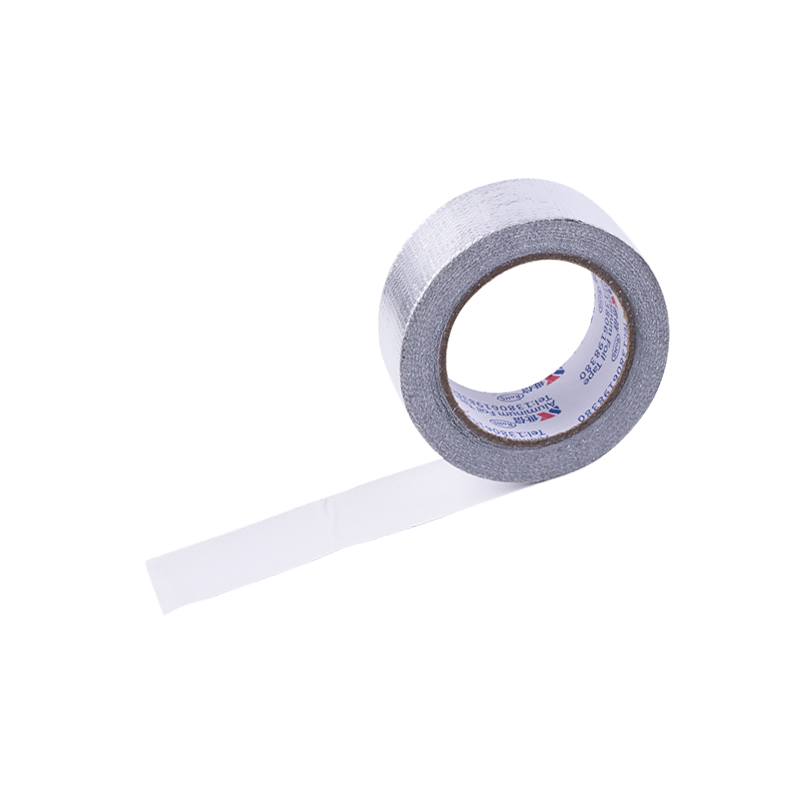
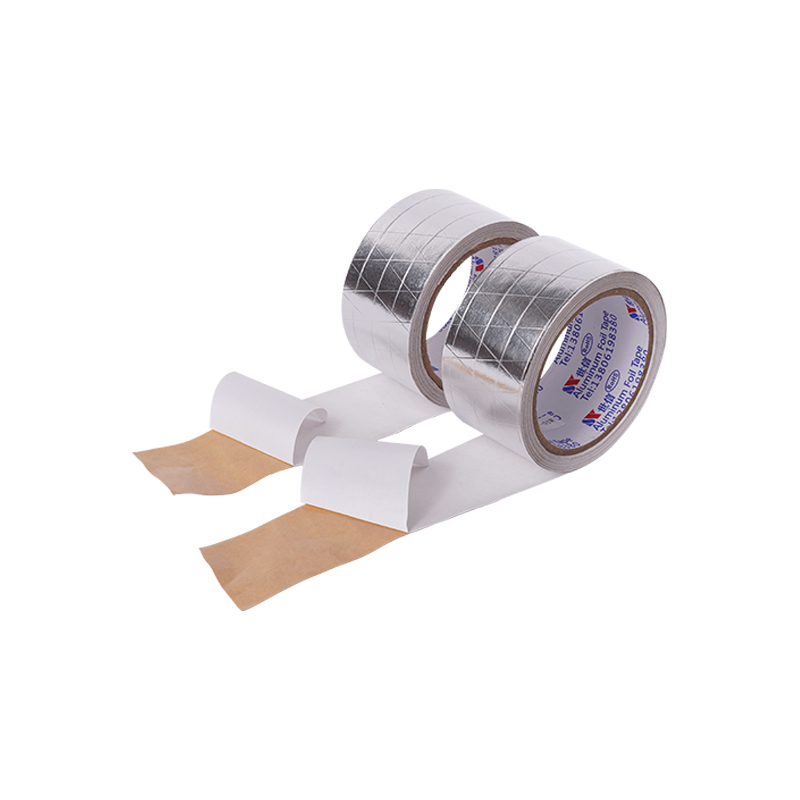
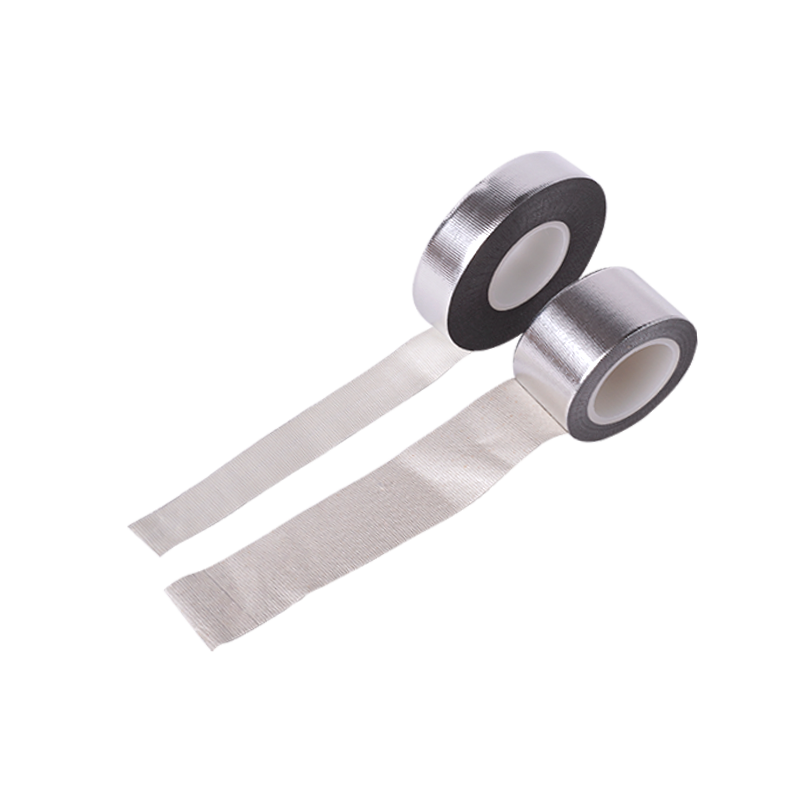
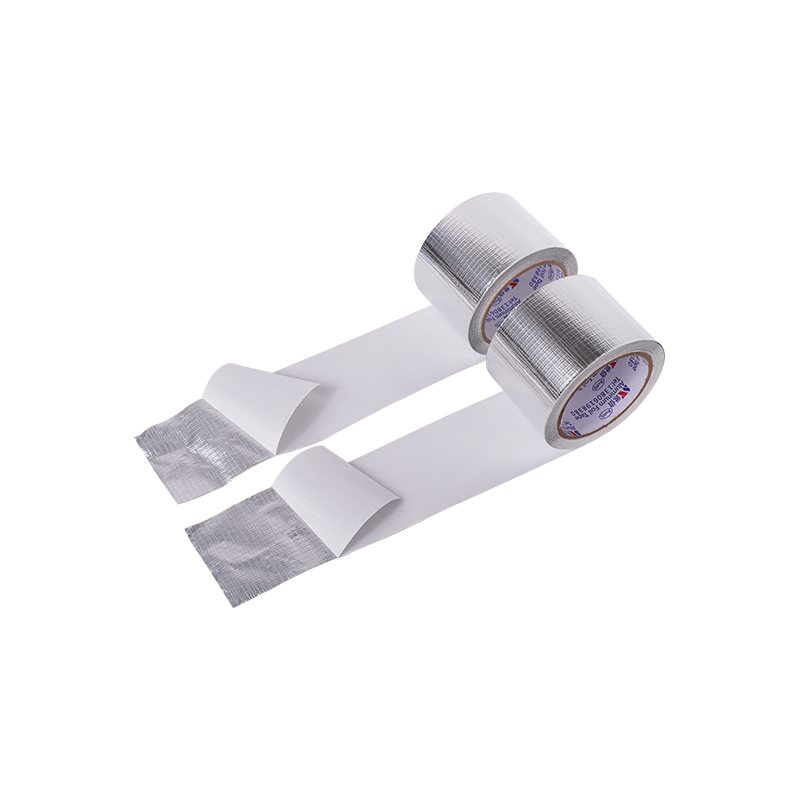
Yüksek performanslı folyo bant alev koruma, termal koruma ve mekanik takviyeyi birleştirerek etkili bir çözüm sunar. Metal folyo yapısı ısıyı yansıtmaya yardımcı olurken, yapışkan katman kablo demetlerinin, donanımların ve elektrikli bileşenlerin etrafına güvenli bir şekilde sarılmaya olanak tanır.
Elektrik kabloları çalışma sırasında ısı üretir. Aşırı yüklenmiş devreler, yüksek ortam sıcaklıkları veya ekipman arızaları termal stresi daha da artırabilir. Kablo yalıtımı hasar görürse kısa devre, aşırı ısınma veya yangının yayılması riski önemli ölçüde artabilir.
Birçok endüstriyel ortamda kablo koruma malzemelerinin mekanik ve elektriksel özelliklerini korurken sürekli ısıya maruz kalmaya dayanması gerekir.
Geleneksel kablo kılıfları temel izolasyon sağlar ancak ısıya, aşınmaya ve çevre koşullarına uzun süre maruz kalmak, bunların etkinliğini giderek azaltabilir. Güvenliği artırmak ve hizmet ömrünü uzatmak için genellikle ek koruyucu katmanlara ihtiyaç duyulur.
| Çevre Faktörü | Kablolar Üzerindeki Potansiyel Etki |
| Yüksek sıcaklık | Yalıtım yaşlanması |
| Açık aleve maruz kalma | Yalıtım hasarı |
| Mekanik titreşim | Yüzey aşınması |
| Neme maruz kalma | Azaltılmış yalıtım performansı |
| Kimyasal kirlenme | Malzeme bozulması |
Genel amaçlı ambalaj malzemeleri genellikle ısıya ve aleve karşı sınırlı bir dirence sahiptir. Yüksek sıcaklıklarda bazı malzemeler zamanla yumuşayabilir, büzüşebilir, yapışmayı kaybedebilir veya kırılgan hale gelebilir.
Bu sınırlamalar bakım gereksinimlerinin artmasına ve sistem güvenilirliğinin azalmasına neden olabilir.
Metalik folyo tabakası, radyant ısının yansıtılmasına ve alttaki kablolara termal aktarımın azaltılmasına yardımcı olan koruyucu bir bariyer görevi görür. Ek olarak, uygun şekilde tasarlanmış folyo yapıları, ısının nüfuz etmesini yavaşlatmaya ve lokal termal hasarın yayılmasını sınırlamaya yardımcı olabilir.
| Koruma Fonksiyonu | Fayda |
| Isı yansıması | Daha düşük kablo yüzey sıcaklığı |
| Termal koruma | Azaltılmış ısıya maruz kalma |
| Alev direnci | Geliştirilmiş güvenlik performansı |
| Mekanik koruma | Azaltılmış yüzey hasarı |
Güvenilir kablo koruması, elektrik sistemlerinin stabilitesine ve güvenliğine doğrudan katkıda bulunur. Folyo bant, termal stresi azaltarak ve yalıtım malzemelerini koruyarak, zorlu çalışma koşullarında kablo performansının korunmasına yardımcı olur.
| Performans Özelliği | Tipik Aralık |
| Çalışma Sıcaklığı | -40°C ila 150°C |
| Kısa Süreli Isı Direnci | 180°C ila 250°C |
| Toplam Kalınlık | 60–150 mikron |
| Yapışma Dayanımı | 8–20 N/25 mm |
| Çekme Dayanımı | 40–90 N/25 mm |
Elektrik sistemleri daha kompakt hale geldikçe ve daha yüksek güç yoğunluklarında çalıştıkça, etkili alev koruması ve kablo koruması giderek daha önemli hale geliyor. Yüksek performanslı folyo bant, çok çeşitli endüstriyel ve elektrik uygulamalarında termal korumayı iyileştirmek, güvenliği artırmak ve uzun vadeli kablo güvenilirliğini desteklemek için pratik bir çözüm sunar.
Alev koruma ve kablo sarma uygulamalarındaki yüksek performanslı folyo bantların etkinliği, birçok kritik malzeme özelliğine bağlıdır. Kablolar genellikle yüksek sıcaklıklar, elektrik yükleri, nem, titreşim ve elektromanyetik girişim içeren ortamlarda çalıştığından, bant basit mekanik korumadan daha fazlasını sağlamalıdır.
Isı direnci, alev koruma kapasitesi, yapışma mukavemeti, koruma etkinliği ve çevresel dayanıklılığın tümü uzun vadeli performansa katkıda bulunur. Bu özellikleri anlamak, mühendislerin ve teknisyenlerin zorlu elektrik ve endüstriyel uygulamalar için uygun malzemeleri seçmelerine yardımcı olur.
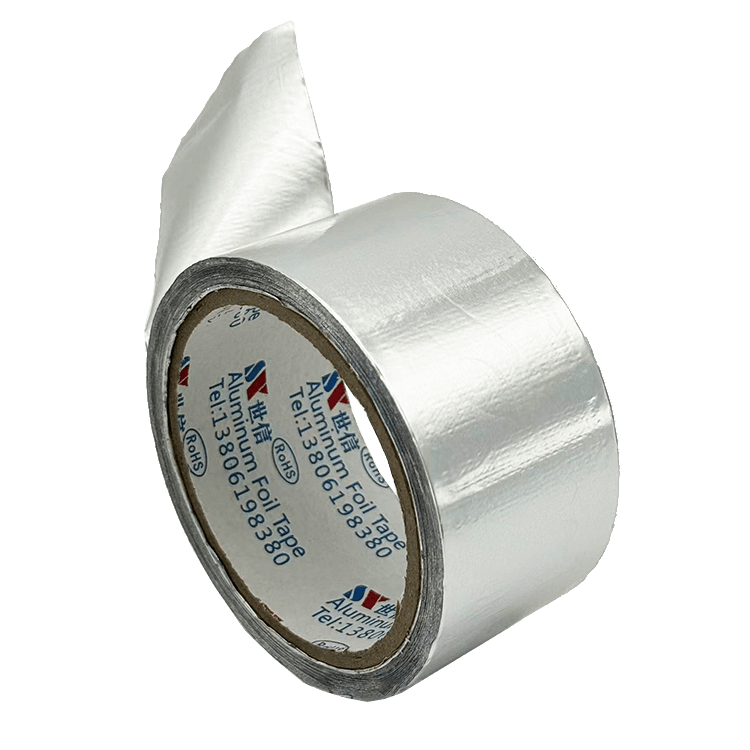
Isıya dayanıklılık, kablo koruması için kullanılan folyo bantların en önemli özelliklerinden biridir. Elektrik iletkenleri çalışma sırasında ısı üretir ve harici ısı kaynakları kablo sıcaklıklarını daha da artırabilir.
| Sıcaklık Özelliği | Tipik Aralık |
| Çalışma Sıcaklığı | -40°C ila 150°C |
| Kısa Süreli Maruz Kalma | 180°C ila 250°C |
| Termal Yaşlanma Direnci | Mükemmel |
Güvenilir kablo korumasını sürdürmek için tekrarlanan ısıtma ve soğutma döngüleri altında istikrarlı performans şarttır.
Folyo bant, ısı transferini azaltmaya ve lokal alev maruziyetini sınırlandırmaya yardımcı olan koruyucu bir bariyer görevi görebilir. Metalik katman bir termal kalkan görevi görerek kablo yalıtımına doğrudan ısı nüfuzunu azaltır.
| Koruma Fonksiyonu | Performans Avantajı |
| Isı yansıması | Daha düşük yüzey sıcaklığı |
| Termal koruma | Azaltılmış yalıtım stresi |
| Alev direnci | Geliştirilmiş güvenlik marjı |
Yapışkan sistem, ekipmanın hizmet ömrü boyunca bandın kablo kılıflarına, kablo demetlerine ve koruyucu kaplamalara güvenli bir şekilde bağlı kalıp kalmayacağını belirler.
| Yapışma Özelliği | Tipik Değer |
| Soyulma Yapışma | 8–20 N/25 mm |
| İlk Nokta | İyiden Mükemmele |
| Güç Tutma | Yüksek |
Güçlü yapışma, sürekli titreşimin mevcut olduğu otomotiv, endüstriyel ve ulaşım uygulamalarında özellikle önemlidir.
Birçok folyo bant elektromanyetik girişim koruması sağlar çünkü iletken metal katman harici elektromanyetik gürültüyü azaltmaya yardımcı olur. Bu özellik özellikle iletişim kabloları, kontrol sistemleri ve hassas elektronik ekipmanlar için önemlidir.
| Elektriksel Özellik | Tipik Performans |
| Elektriksel İletkenlik | Yüksek |
| EMI Koruma Etkinliği | 40–80 dB |
| Sinyal Koruması | Mükemmel |
Kablo sarma malzemeleri kurulum streslerine ve uzun süreli harekete dayanmalıdır. Yeterli çekme mukavemeti yırtılmayı önlerken esneklik, bandın düzensiz kablo demetlerine uyum sağlamasına olanak tanır.
| Mekanik Özellik | Tipik Değer |
| Çekme Dayanımı | 40–90 N/25 mm |
| Uzama | %3–%10 |
| Uygunluk | İyi |
Elektrik sistemleri nemli, aşındırıcı veya kimyasal açıdan agresif ortamlarda çalışabilir. Çevresel direnç, hem yapıştırıcı performansının hem de koruma etkinliğinin korunmasına yardımcı olur.
| Çevre Faktörü | Direnç Seviyesi |
| Nem Direnci | Mükemmel |
| Korozyon Direnci | Yüksek |
| Kimyasal Direnç | İyi |
| Yaşlanma Direnci | Mükemmel |
Nem koruması özellikle önemlidir çünkü su girişi yalıtım performansını azaltabilir ve kablonun bozulmasını hızlandırabilir.
| Mülkiyet | Tipik Performans Range |
| Çalışma Sıcaklığı | -40°C ila 150°C |
| Kısa Süreli Isı Direnci | 180°C ila 250°C |
| Yapışma Dayanımı | 8–20 N/25 mm |
| Çekme Dayanımı | 40–90 N/25 mm |
| Toplam Kalınlık | 60–150 mikron |
| EMI Koruma | 40–80 dB |
A yüksek performanslı folyo bant termal direnci, alev koruma özelliğini, güçlü yapışmayı, elektriksel korumayı ve çevresel dayanıklılığı birleştirir. Bu özelliklerin birlikte değerlendirilmesi, mühendislerin kablo güvenliğini artıran, sistem güvenilirliğini koruyan ve zorlu çalışma ortamlarında uzun vadeli performansı destekleyen uygun malzemeleri seçmesine olanak tanır.
Yüksek performanslı folyo bant, termal koruma, alev koruması, elektromanyetik girişim kontrolü ve çevresel direnç gerektiren elektrik ve elektronik sistemlerde yaygın olarak kullanılmaktadır. Modern ekipmanlar daha kompakt hale geldikçe ve daha yüksek güç yoğunluklarında çalıştıkça, kablo düzenekleri artan düzeyde ısıya, titreşime ve elektriksel strese maruz kalır.
Termal koruma, mekanik koruma ve elektriksel performansın birleşiminden dolayı folyo bant otomotiv, endüstriyel, enerji, ulaşım ve elektronik uygulamalarda önemli bir malzeme haline gelmiştir.
Modern araçlar, motorların, egzoz bileşenlerinin, akü sistemlerinin ve elektronik kontrol ünitelerinin yakınında çalışan karmaşık kablo demeti sistemleri içerir. Yüksek sıcaklıklar ve sürekli titreşim, kablo koruma malzemeleri için zorlu koşullar yaratır.
| Otomotiv Alanı | Birincil İşlev |
| Motor bölmesi | Isı koruması |
| Akü kabloları | Termal koruma |
| Kablo demetleri | Aşınma direnci |
| Elektronik modüller | EMI koruma |
Endüstriyel tesisler genellikle kabloları yüksek sıcaklıklara, mekanik harekete, yağ kirliliğine ve sürekli çalışmaya maruz bırakır. Folyo bant, bu zorlu ortamlarda kablo performansının korunmasına yardımcı olur.
Güç dağıtım sistemleri, motorlar ve kontrol kabinleri, operasyonel güvenilirliği artırmak için sıklıkla ek kablo koruması kullanır.
Sinyal kabloları ve iletişim sistemleri elektromanyetik girişime karşı oldukça hassastır. İletken folyo katmanları dış gürültüyü azaltmaya ve sinyal bütünlüğünü korumaya yardımcı olur.
| Kablo Tipi | Koruma Gereksinimi |
| İletişim kabloları | EMI koruma |
| Kontrol kabloları | Sinyal koruması |
| Veri iletim kabloları | Gürültü azaltma |
Akü sistemleri şarj ve deşarj döngüleri sırasında ısı üretir. Enerji depolama uygulamalarında termal yönetim ve alevden korunma giderek daha önemli hale gelmiştir.
| Uygulama Alanı | Ana Fayda |
| Akü modülleri | Termal koruma |
| Güç bağlantıları | Kablo izolasyon koruması |
| Enerji depolama sistemleri | Isı yönetimi |
Uçak, demiryolu taşımacılığı ve diğer gelişmiş ulaşım sistemleri, zorlu çalışma koşulları altında hem termal koruma hem de güvenilirlik sağlayan hafif malzemeler gerektirir.
Düşük ağırlık ve yüksek termal performansın birleşimi, folyo bandı birçok taşıma uygulaması için uygun hale getirir.
Elektronik sistemler genellikle yoğun şekilde paketlenmiş kablolar ve ısı üreten bileşenler içerir. Folyo bant hem termal yönetimi hem de elektromanyetik uyumluluğu geliştirmeye yardımcı olabilir.
| Ekipman Tipi | Tipik Uygulama |
| Kontrol kabinleri | Kablo koruması |
| Güç kaynakları | Termal koruma |
| Elektronik düzenekler | EMI azaltımı |
Bazı endüstriyel ve elektrik uygulamaları sürekli olarak yüksek sıcaklıklara maruz kalmayı gerektirir. Ek termal koruma, kablo performansının korunmasına ve yalıtım bozulmasını azaltmaya yardımcı olur.
| Çalışma Durumu | Gerekli Performans |
| Yüksek ambient temperature | Isı direnci |
| Radyant ısıya maruz kalma | Termal yansıma |
| Mekanik titreşim | Dayanıklı yapışma |
| Elektriksel girişim | EMI koruma |
Otomotiv kablolama sistemlerinden endüstriyel ekipmanlara ve gelişmiş elektronik cihazlara kadar yüksek performanslı folyo bant, güvenilir alev koruması ve kablo koruması sağlar. Termal direnci, EMI korumayı, mekanik dayanıklılığı ve çevre korumayı birleştirme yeteneği, onu modern kablo yönetimi ve elektrik güvenliği uygulamaları için vazgeçilmez bir malzeme haline getirmektedir.
Modern elektrik sistemleri, güvenli güç iletimi, güvenilir sinyal iletişimi ve uzun ekipman servis ömrü sağlamak için istikrarlı kablo performansına bağlıdır. Aşırı ısı, aleve maruz kalma, elektromanyetik girişim, nem ve mekanik stres, kablo yalıtımına giderek zarar verebilir ve sistem güvenilirliğini azaltabilir. Yüksek performanslı folyo bant, termal koruma, çevre koruma ve elektriksel koruma özellikleri sağlayarak bu zorlukların üstesinden gelmeye yardımcı olur.
Folyo bant, termal stresi azaltarak ve kablo düzeneklerini dış etkenlerden koruyarak, daha güvenli çalışmaya ve gelişmiş uzun vadeli performansa doğrudan katkıda bulunur.
Kablo yalıtım malzemeleri yüksek sıcaklıklara maruz kaldıklarında yavaş yavaş eskir. Sürekli ısıya maruz kalma sertleşmeye, çatlamaya veya dielektrik performansın azalmasına neden olabilir. Yansıtıcı folyo katmanı, ısı transferini en aza indirmeye ve kablo yüzeylerindeki termal yükü azaltmaya yardımcı olur.
| Isı Kaynağı | Potansiyel Kablo Etkisi |
| Güç bileşenleri | Yalıtım yaşlanması |
| Motor bölmesis | Isı bozulması |
| Endüstriyel ekipman | Termal stres |
| Akü sistemleri | Sıcaklık artışı |
Daha düşük çalışma sıcaklıkları, elektrik yalıtım sistemlerinin uzun vadeli güvenilirliğini önemli ölçüde artırabilir.
Yüksek sıcaklıktaki ortamlarda, bölgesel aşırı ısınma kablo yalıtımına zarar verebilir ve alevin yayılma riskini artırabilir. Folyo bant, ısı nüfuzunu yavaşlatan ve termal hasarın kontrol altına alınmasına yardımcı olan koruyucu bir bariyer görevi görür.
| Koruma Fonksiyonu | Güvenlik Avantajı |
| Termal koruma | Daha düşük ısı transferi |
| Alev direnci | Daha az yangın riski |
| Isı yansıması | Geliştirilmiş kablo koruması |
Elektromanyetik girişim, sinyal iletimini ve elektronik ekipmanın performansını etkileyebilir. İletken folyo katmanı, hassas kabloların harici elektromanyetik gürültüden korunmasına yardımcı olur.
| Başvuru Türü | EMI Koruma Avantajı |
| İletişim kabloları | Sinyal bütünlüğü |
| Kontrol sistemleri | Gürültü azaltma |
| Elektronik ekipman | Kararlı çalışma |
Elektronik sistemler daha kompakt ve yoğun bir şekilde entegre hale geldikçe etkili EMI koruması giderek daha önemli hale geliyor.
Nem, toz, kimyasallar ve aşındırıcı ortamlar kablo yalıtımına giderek zarar verebilir ve elektrik performansını düşürebilir. Folyo bant ek bir çevresel bariyer görevi görür.
| Çevre Faktörü | Koruma Etkisi |
| Nem | Nem bariyeri |
| Aşındırıcı atmosfer | Yüzey koruması |
| Toz kirliliği | Geliştirilmiş temizlik |
| Kimyasal maruz kalma | Malzeme koruması |
Çoklu çevresel faktörler kablonun yaşlanmasına katkıda bulunur. Folyo bant, ısıyı, nemi, titreşimi ve harici hasarı azaltarak, daha uzun çalışma süreleri boyunca kablo performansının korunmasına yardımcı olur.
| Güvenilirlik Faktörü | Uzun Vadeli Fayda |
| Termal koruma | Daha uzun yalıtım ömrü |
| EMI koruma | Kararlı sinyal iletimi |
| Nem direnci | Azaltılmış bozulma |
| Mekanik koruma | Daha düşük bakım ihtiyaçları |
Ekipman performansını korumak, arıza süresini azaltmak ve operasyonel güvenliği sağlamak için güvenilir kablolar gereklidir. Folyo bant, kablo düzeneklerini birden fazla arıza kaynağına karşı koruyarak sistem güvenilirliğine katkıda bulunur.
| Performans Özelliği | Sistem Avantajı |
| Isı koruması | Daha düşük termal stres |
| Alev koruması | Geliştirilmiş güvenlik |
| EMI koruma | Sinyal kararlılığı |
| Çevresel direnç | Daha uzun servis ömrü |
| Mekanik dayanıklılık | Daha fazla güvenilirlik |
Yüksek performanslı folyo bant, ısıya maruz kalmayı azaltarak, termal hasarı sınırlandırarak, elektromanyetik korumayı geliştirerek ve çevresel faktörlere karşı koruma sağlayarak modern kablo koruma sistemlerinde önemli bir rol oynar. Katkısı basit sarma uygulamalarının ötesine geçerek elektrik güvenliğinin, operasyonel güvenilirliğin ve uzun vadeli sistem performansının iyileştirilmesine yardımcı olur.
Yüksek performanslı folyo bandın performansı yalnızca malzeme özelliklerine değil aynı zamanda doğru seçim ve kurulum uygulamalarına da bağlıdır. Mükemmel termal dirence ve koruma kapasitesine sahip bir bant bile yanlış uygulandığında veya uygun olmayan çalışma koşullarında kullanıldığında başarısız olabilir.
Mühendisler ve teknisyenler, güvenilir uzun vadeli performans elde etmek için sıcaklığa maruz kalmayı, kablo tasarımını, çevre koşullarını ve kurulum yöntemlerini değerlendirmelidir.
Farklı kablo uygulamaları, farklı termal direnç, yapışma, esneklik ve ekranlama performansı kombinasyonları gerektirir. Uygun bant yapısının seçilmesi, çalışma ortamıyla uyumluluğun sağlanmasına yardımcı olur.
| Seçim Faktörü | Önerilen Husus |
| Çalışma Sıcaklığı | Termal direnç gereksinimlerini karşılayın. |
| Kablo Çapı | Uygun esneklik ve genişliği seçin. |
| EMI Koruması | Koruma etkinliğini göz önünde bulundurun. |
| Çevresel Maruziyet | Nem ve kimyasal direnci değerlendirin. |
| Mekanik Stres | Yeterli çekme mukavemetini seçin. |
Bir kablo sarma malzemesi seçmeden önce gerçek servis ortamını anlamak çok önemlidir. Sıcaklık, titreşim, nem ve elektriksel koşulların tümü uzun vadeli performansı etkileyebilir.
| Çalışma Durumu | Potansiyel Gereksinim |
| Yüksek sıcaklık | Geliştirilmiş ısı direnci |
| Sürekli titreşim | Güçlü yapışma |
| Yüksek humidity | Nem direnci |
| Elektronik sistemler | EMI koruma capability |
Çalışma koşullarının doğru değerlendirilmesi erken arıza riskini azaltır ve sistem güvenilirliğini artırır.
Yüzey hazırlığının yapıştırıcı performansı üzerinde doğrudan etkisi vardır. Kirletici maddeler düzgün yapışmayı engelleyebilir ve bandın servis ömrünü kısaltabilir.
Temiz yüzeyler yapıştırıcının maksimum temas sağlamasına olanak tanır ve uzun süreli yapışma stabilitesini artırır.
Doğru sarma yöntemleri, tutarlı koruma sağlanmasına ve kablo düzeneğindeki yerel zayıflıkların önlenmesine yardımcı olur.
| Kurulum Uygulaması | Beklenen Fayda |
| Düzgün gerginlik | Tutarlı koruma |
| Pürüzsüz uygulama | Geliştirilmiş yapışma |
| Sıkı baskı | Daha iyi bağlanma gücü |
| Kontrollü örtüşme | Sürekli koruma |
Uygun örtüşme, tam kapsama sağlar ve termal ve elektromanyetik koruma performansının korunmasına yardımcı olur.
| Başvuru Türü | Tipik Örtüşme |
| Genel kablo koruması | %25 ila %50 |
| EMI koruma applications | %50 |
| Yüksek-temperature protection | %50 to 75% |
| Kritik kablo düzenekleri | Gerekirse birden fazla katman |
Uygun örtüşme, gereken koruma düzeyine ve çalışma ortamına bağlıdır.
Çoğu kablo koruma arızası, malzeme sınırlamalarından ziyade yanlış kurulumdan kaynaklanır.
Bu hatalardan kaçınmak hem güvenliği hem de uzun vadeli performansı önemli ölçüde artırabilir.
Uygun depolama koşulları, yapıştırıcı performansının korunmasına ve kurulumdan önce malzeme kalitesinin korunmasına yardımcı olur.
| Saklama Durumu | Tavsiye |
| Depolama Sıcaklığı | 15°C ila 30°C |
| Nem Level | Kuru ortam |
| Güneş Işığına Maruz Kalma | Doğrudan güneş ışığından kaçının |
| Ambalaj | Orijinal ambalajında saklayın |
| Mülkiyet | Tipik Aralık |
| Çalışma Sıcaklığı | -40°C ila 150°C |
| Kısa Süreli Isı Direnci | 180°C ila 250°C |
| Yapışma Dayanımı | 8–20 N/25 mm |
| Çekme Dayanımı | 40–90 N/25 mm |
| EMI Koruma Etkinliği | 40–80 dB |
| Toplam Kalınlık | 60–150 mikron |
Başarılı kablo koruması, hem uygun malzeme seçimini hem de doğru kurulum uygulamalarını gerektirir. Mühendisler, çalışma koşullarını dikkate alarak, yüzeyleri uygun şekilde hazırlayarak, tutarlı sarma teknikleri uygulayarak ve bakım önerilerini takip ederek, yüksek performanslı folyo bandın termal, elektrik ve mekanik faydalarını en üst düzeye çıkarabilir.
Şirketimiz 20 yılı aşkın bir süredir teyp üretim endüstrisinde yer alıyor ve çeşitlilere odaklanıyor Alüminyum folyo bantları, köpük bantlar, buzdolabı bantları vb. Türleri
Telefon: +86-159-5136-0053
+86-136-6515-8108
Whatsapp +86-159-5136-0053
E -posta [email protected]
[email protected]
Adres: 1 No., Yedong Yolu, Yingbin Bulvarı'nın Batı, Ekonomik Kalkınma Bölgesi, Suqian City, Jiangsu Eyaleti, Çin
Miya Miao
E -posta: [email protected]
Mobil/WhatsApp: 0086 19033791110
Copyright © Jiangsu Shixin Yapışkan Teyp Ürünleri Co., Ltd. All Rights Reserved. Özel ODM buzdolabı folyo yapıştırıcı bant üreticileri